
7 Things Mom Told Me as a Kid That Give Me Confidence as an Adult: The Quiet Psychology of Inner Strength
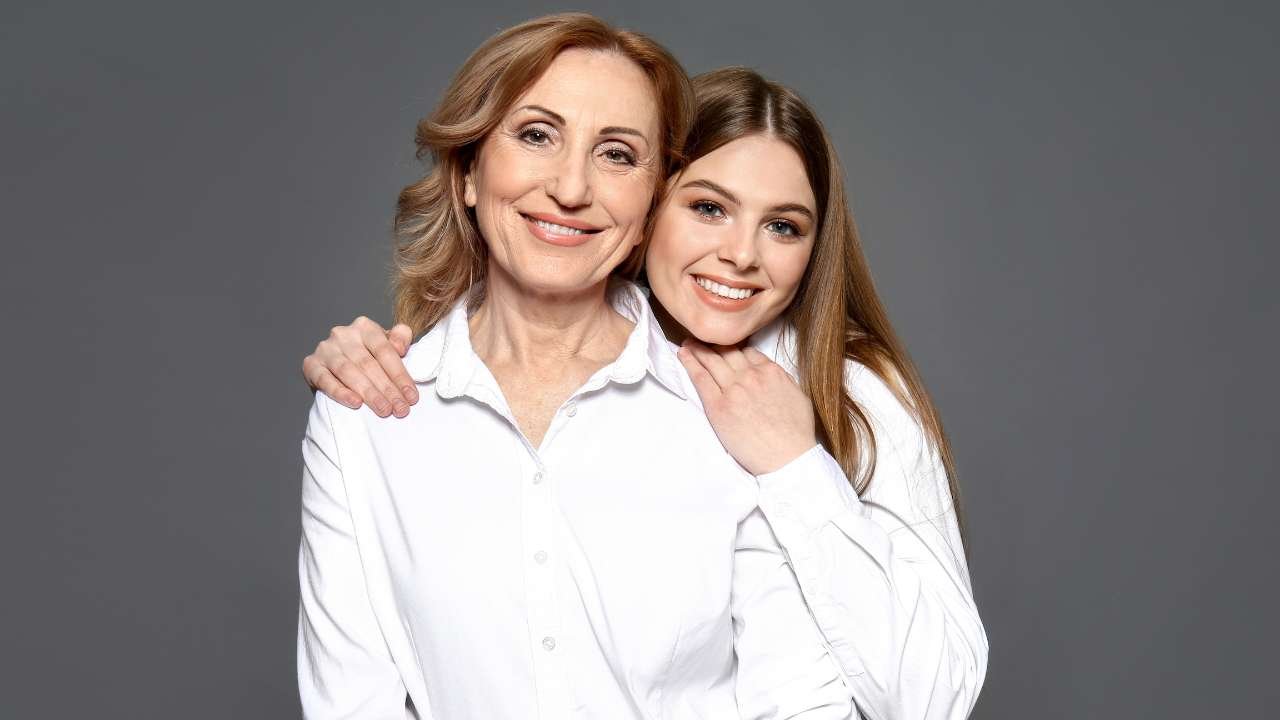
7 Things Mom Told Me as a Kid That Give Me Confidence as an Adult is not only about sweet childhood memories or nostalgic one-liners; it is about how early emotional messages shape adult self-worth, decision-making, relationships, boundaries, resilience, and the courage to be seen. At sanpreetsingh.com, the focus is on helping people understand how childhood emotional messages quietly shape adult confidence through a thoughtful, private space.
A mother’s words can become the voice a person carries into adulthood. Sometimes that voice says, “Try again.” Sometimes it says, “You matter.” Sometimes it says, “Do not shrink yourself for love.” And sometimes, years later, during heartbreak, conflict, career pressure, marriage stress, or self-doubt, that same voice becomes the quiet strength that helps a person stand again.
Key Highlights ✨
- A mother’s words can become an adult’s inner voice.
• Childhood confidence is not built only through praise; it is built through safety, trust, correction, encouragement, and emotional permission.
• The right parental messages help children grow into adults who can handle rejection, conflict, uncertainty, and relationships with more balance.
• Confidence is not loudness; it is the quiet belief that you can face life without abandoning yourself.
• Some childhood lessons become emotional tools in love, marriage, career, friendships, and self-respect.
• Healthy parenting teaches children how to belong without losing individuality.
• Adult confidence often begins with being emotionally seen as a child.
Why a Mother’s Words Stay Longer Than We Realise 🧠
Childhood advice often becomes an adult’s internal script. A child may not understand the full meaning of a sentence at the time, but they remember the feeling it created. Being encouraged, trusted, corrected with dignity, or protected without being controlled can quietly become the foundation of confidence.
A mother’s words matter because children do not only learn facts from parents. They learn what to believe about themselves.
Am I capable?
Am I lovable?
Can I make mistakes and still be accepted?
Can I speak up?
Can I try again?
Can I leave what hurts me?
Can I trust myself?
The answers to these questions often begin early. A child may forget the exact day, but not the feeling of being believed in.
Why Childhood Messages Shape Adult Confidence 🌱
Confidence develops through repeated emotional experiences. Children become emotionally stronger when they are heard, encouraged, guided, allowed to try, allowed to fail, and loved beyond performance.
This does not mean parents must be perfect. No parent is. Parenting is not a motivational speech with snacks. 😄 But repeated messages of trust, respect, and emotional safety can give a child an inner base that supports them later in life.
When a child grows up hearing, “You can try,” they may become an adult who takes risks.
When a child hears, “Your voice matters,” they may become an adult who speaks with clarity.
When a child hears, “Mistakes do not define you,” they may become an adult who can repair without collapsing into shame.
This is why early family patterns still influence adult emotional choices. The home does not only raise a child; it often shapes the adult they become.
1. “You Can Be Scared and Still Do It” 💪
One of the strongest things a mother can teach a child is that courage does not mean fear disappears. Courage means fear does not get the final vote.
As children, many people believe confidence means feeling completely ready. But adulthood teaches a different lesson. Most meaningful things come with uncertainty: choosing a career, starting over, entering a serious relationship, having a difficult conversation, setting a boundary, leaving a painful situation, or trying again after failure.
A mother who says, “You can be scared and still do it,” teaches emotional bravery without forcing false confidence.
As an adult, this becomes powerful. It helps a person walk into difficult rooms, say hard truths, make decisions, and take emotional risks without waiting to feel fearless.
The brave person is not the one without fear. The brave person simply does not hand fear the steering wheel.
2. “Your Voice Matters” 🗣️
A child who is allowed to speak learns that their thoughts are not a burden. Their feelings are not too much. Their questions are not disrespectful. Their disagreement is not rebellion by default.
This lesson becomes deeply important in adult relationships.
Many adults struggle to express needs because they were taught to stay quiet, adjust, avoid conflict, or not “create problems.” But confidence needs voice. A person cannot build healthy love while constantly swallowing their truth.
“Your voice matters” becomes adult strength when someone can say:
- “This hurt me.”
• “I need time.”
• “I do not agree.”
• “This boundary matters to me.”
• “I want to be heard.”
• “I cannot keep pretending this is okay.”
This is not arrogance. This is emotional self-respect.
Healthy relationships need speaking without feeling guilty for having needs. A person who knows their voice matters does not have to shout to be powerful. They can speak calmly and still stand firm.
3. “Mistakes Do Not Make You a Failure” 🌿
This is one of the most important confidence lessons a child can receive.
A mistake is an event. Failure as an identity is a wound.
When a child is shamed for every mistake, they may grow into an adult who fears trying, apologises excessively, hides errors, or collapses emotionally when criticised. But when a child learns that mistakes can be corrected, they grow resilience.
This lesson helps in adulthood because life will bring mistakes. Wrong career choices, poor relationship decisions, emotional reactions, missed opportunities, failed attempts, and awkward conversations — all of this is part of being human.
The real question is: Can you learn without hating yourself?
A person who believes mistakes do not define them can apologise, improve, repair, and try again. They do not need to pretend they are perfect. They can stay honest.
A mistake should become a teacher, not a permanent label.
4. “Do Not Beg for Love That Makes You Small” 💔
This lesson becomes especially important in adult relationships.
Confidence is not only about speaking well, earning well, or looking sure of yourself. Confidence is also the ability to walk away from love that demands self-abandonment.
A mother who teaches her child not to beg for love teaches emotional dignity. She teaches that affection should not require humiliation. She teaches that being chosen should not mean becoming smaller, quieter, or less yourself.
As an adult, this lesson helps a person recognise:
- emotional inconsistency
• disrespect
• one-sided effort
• manipulation
• constant rejection
• love that feels like chasing
• relationships where they must earn basic kindness
This becomes crucial when self-worth starts affecting relationship choices. People with inner confidence do not always avoid painful relationships, but they are more likely to recognise when love is costing them their dignity.
Love should stretch you. It should not shrink you.
5. “Kindness Is Strength, Not Weakness” 🤝
Many people confuse confidence with dominance. They think a confident person must be loud, unbothered, sharp, and emotionally unavailable. But real confidence can be gentle.
A mother who teaches kindness as strength gives a child something rare: the ability to be soft without being weak.
In adulthood, this lesson helps a person apologise without ego, listen without feeling defeated, help without losing boundaries, and disagree without cruelty. It creates emotional maturity.
Kindness does not mean tolerating disrespect. It does not mean becoming everyone’s emotional dumping ground. It means choosing humanity even when ego wants applause.
Kindness without self-respect becomes self-erasure. Confidence without kindness becomes noise.
The strongest adults are often not the harshest ones. They are the ones who can remain decent without losing themselves.
6. “You Do Not Have to Prove Yourself to Everyone” 🧘♀️
This one hits hard in adulthood.
So many people spend years trying to prove they are successful enough, attractive enough, modern enough, traditional enough, intelligent enough, desirable enough, or “settled” enough. Social media makes this worse. Family comparison adds more pressure. The fear of what people will say can become a full-time emotional job. 😄
A mother who says, “You do not have to prove yourself to everyone,” gives a child permission to stop performing for people who are not responsible for their peace.
As an adult, this lesson protects against:
- people-pleasing
• over-explaining
• comparison
• validation addiction
• relationship insecurity
• family pressure
• fear of judgement
• constant performance
Peace begins when you stop auditioning for people who were never meant to understand your whole story.
Confidence is not needing everyone to approve of your life before you live it.
7. “Come Back to Yourself”
This may be the deepest lesson of all.
Life will test confidence. Heartbreak will test it. Rejection will test it. Marriage stress, career uncertainty, friendship loss, failure, loneliness, and identity changes will test it.
“Come back to yourself” means: do not abandon yourself because life became hard.
It means remembering your values when you feel lost. It means not letting one person’s rejection become your whole identity. It means not allowing a bad season to convince you that you are a bad person. It means rebuilding without becoming bitter.
As an adult, this lesson becomes emotional homecoming.
You may feel shaken, but you can return.
You may feel hurt, but you can recover.
You may feel unsure, but you can listen inward again.
You may lose people, but you do not have to lose yourself.
That is confidence in its quietest and strongest form.
Quick Table: Childhood Lesson vs. Adult Confidence Skill 📌
What Mom Said | Adult Confidence Skill | Relationship Impact |
You can be scared and still do it | Courage | Handles hard conversations |
Your voice matters | Self-expression | Communicates needs clearly |
Mistakes do not make you a failure | Resilience | Repairs without shame |
Do not beg for love that makes you small | Self-respect | Chooses healthier bonds |
Kindness is strength | Emotional maturity | Builds respectful connection |
You do not have to prove yourself to everyone | Inner validation | Reduces people-pleasing |
Come back to yourself | Self-trust | Recovers after emotional setbacks |
How These Lessons Shape Adult Relationships 🫶
Adult relationships often reveal what a person learned about themselves as a child.
A person who learned their voice matters may express hurt more clearly.
A person who learned mistakes are survivable may apologise without falling apart.
A person who learned love should not make them small may avoid chasing emotionally unavailable partners.
A person who learned kindness is strength may choose repair over ego.
Confidence affects the way people love. It influences how they argue, apologise, set boundaries, receive affection, leave harmful patterns, and choose emotional safety.
Confident adults are not perfect partners. They still feel fear, jealousy, insecurity, confusion, and pain. The difference is that they are less likely to abandon themselves inside those feelings.
That is the quiet power of a healthy inner voice.
What If You Did Not Grow Up Hearing These Things? 🌧️
Not everyone grew up hearing confidence-building words.
Some people grew up with criticism, comparison, emotional silence, harsh correction, conditional approval, pressure to perform, or constant fear of disappointing others. Some were loved, but not emotionally understood. Some parents cared deeply but did not know how to express warmth.
If that is your story, it does not mean confidence is unavailable to you.
Adult confidence can be rebuilt through reflection, healthier relationships, therapy, emotional education, self-compassion, and learning a new inner language. You can become the voice you needed when you were younger.
Your childhood may shape your inner voice, but it does not have to own it forever.
Healing often begins when a person says, “This is what I learned, but this is not all I have to become.”
For many adults, this is also where private relationship counselling can help connect old emotional patterns with present relationship choices, especially when self-worth, communication, boundaries, or fear of rejection keep repeating in adult life.
How Parents Can Build Confidence in Children Today 👨👩👧
Parents build confidence not only through big speeches, but through repeated everyday responses.
Children grow stronger when parents:
- praise effort, not only results
• correct behaviour without attacking identity
• allow children to express emotions
• teach them how to apologise
• avoid harsh comparison
• let them try and fail safely
• listen before judging
• show love beyond performance
• respect their individuality
• model calm communication
A child does not need perfect parenting. A child needs enough emotional safety to believe, “I can be myself, learn, fail, repair, and still be loved.”
That belief becomes confidence later.
How Sanpreet Singh Supports Emotional Confidence and Relationship Clarity 🧭
Sanpreet Singh works with individuals and couples who want to understand how early emotional patterns affect adult confidence, self-worth, communication, and relationship choices.
Through sanpreetsingh.com, the focus is on creating a private and thoughtful space where people can explore family influence, emotional habits, relationship patterns, boundaries, self-respect, and personal clarity without judgement.
Sometimes adult confidence does not need a louder personality. It needs a deeper understanding of where self-doubt began and how to build a steadier relationship with oneself.
For people who feel old emotional patterns affecting present life, Sanpreet Singh offers a calm space for reflection, clarity, and emotional repair. A person who feels unsure about whether support is right for them may also begin by understanding who should seek relationship counselling and what kind of emotional patterns deserve attention.
Final Thought: A Mother’s Words Can Become a Lifetime of Inner Strength 💛
The best childhood lessons do not create perfect adults. They create adults who know how to return to themselves.
A mother’s words can become the voice that says, “Try again,” after failure. “Speak up,” during silence. “Leave,” when love becomes disrespect. “Be kind,” when ego wants to win. “Rest,” when proving becomes exhausting.
Confidence is not always a loud voice. Sometimes it is the quiet memory that someone once believed you could handle life.
And when that memory becomes your own belief, adulthood changes.
For people exploring confidence, relationship choices, family patterns, and emotional self-worth, Sanpreet Singh offers a private and thoughtful space through sanpreetsingh.com to understand the past without being trapped by it.
FAQs
How do childhood words affect adult confidence?
Childhood words often become part of a person’s inner voice and can shape self-worth, courage, and emotional security.
Can a mother’s advice influence adult relationships?
Yes, early messages about love, respect, boundaries, and self-worth can strongly influence adult relationship choices.
What builds confidence in a child?
Confidence grows through emotional safety, encouragement, respectful correction, independence, and consistent love.
What if I did not receive confidence-building messages as a child?
Adult confidence can still be rebuilt through reflection, support, healthier relationships, and learning new emotional patterns.
Why do some adults struggle with self-worth?
Adults may struggle with self-worth because of criticism, comparison, rejection, conditional approval, or unresolved emotional experiences.
Can parenting affect future relationships?
Yes, parenting can influence communication style, attachment, emotional safety, boundaries, and conflict response.
Is confidence the same as being bold?
No, confidence is not always loud; it is the inner belief that you can handle life without abandoning yourself.
How can parents raise confident children?
Parents can raise confident children by listening, encouraging effort, avoiding harsh comparison, and correcting with dignity.
Can therapy help with childhood confidence issues?
Yes, therapy or counselling can help people understand old emotional patterns and build healthier self-worth.
How can Sanpreet Singh help with confidence and relationships?
Sanpreet Singh offers private support through sanpreetsingh.com for people exploring emotional patterns, confidence, and relationship clarity.
Private, appointment-only
If you want structured guidance (with privacy and boundaries), you can start with a confidential session.