
After Baby Comes Home, Can Your Relationship Still Feel Like Home
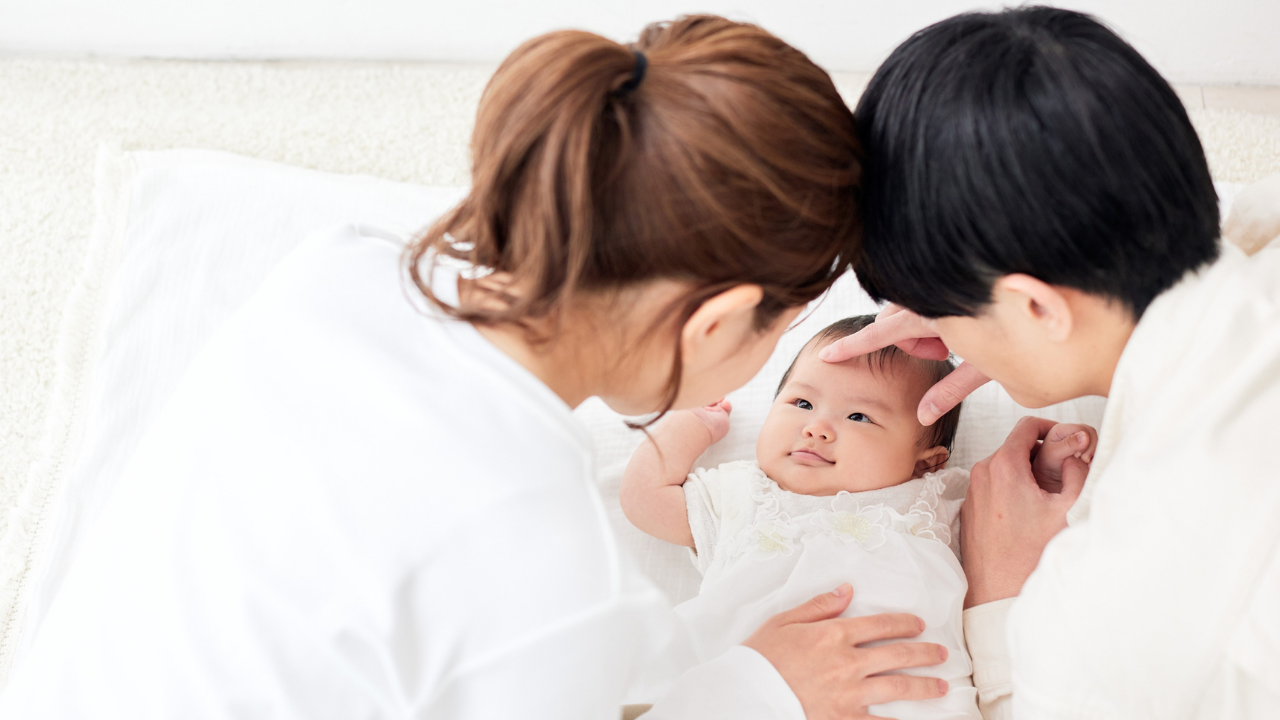
Bringing a baby home is beautiful, emotional, chaotic, sacred, exhausting, and slightly like joining a 24/7 startup with no HR department. 👶💛 Everyone talks about the baby. Very few talk honestly about what happens to the couple.
The first months after childbirth can change sleep, intimacy, identity, family roles, money conversations, household routines, and emotional connection. At sanpreetsingh.com, Sanpreet Singh’s relationship work sees this stage not as a small adjustment, but as a major relationship transition where love needs a new rhythm, not just good intentions.
Key Highlights
- Bringing a baby home changes the couple relationship, not only the daily routine.
- Sleep deprivation can make small issues feel emotionally huge.
- New parents often need more teamwork, less scorekeeping, and clearer communication.
- Intimacy may change after childbirth, and that does not mean love has disappeared.
- Grandparents and family support can help, but boundaries still matter.
- Couples who repair early often protect the relationship before resentment becomes the default. 🌿
The Baby Arrives, and the Relationship Changes Rooms
Before the baby, a couple may have had time to talk, argue properly, rest, go out, finish sentences, and remember each other as partners. After the baby arrives, everything becomes urgent. Feeding, burping, crying, washing, sleeping, doctor visits, visitors, advice, and recovery all enter the marriage like unexpected tenants.
Many couples are surprised by the emotional shift. They expected tiredness. They did not expect to feel unseen, touched-out, irritable, lonely, guilty, or strangely distant from the person they love.
Parenthood does not destroy connection. It reveals where connection needs stronger support.
Lessons New Parents Learn Very Quickly
Lesson | What Couples Expect | What Often Happens | What Helps |
Sleep affects love | “We will manage somehow.” | Tiredness increases irritability and conflict | Protect rest like a shared responsibility |
Roles change fast | “We will naturally divide things.” | One partner may carry more invisible labour | Make tasks visible and specific |
Intimacy shifts | “Things will return to normal soon.” | Emotional and physical closeness may need patience | Rebuild safety before pressure |
Family enters strongly | “Everyone will help.” | Advice and interference may increase stress | Set respectful boundaries early |
Identity changes | “We are just adding a baby.” | Both partners may grieve old freedom | Talk about loss without guilt |
Repair becomes essential | “We should not fight now.” | Conflict still happens | Repair quickly and softly |
Lesson One: Sleep Is Not a Small Thing
Sleep loss can turn normal disagreements into emotional thunderstorms. A forgotten bottle, an unwashed onesie, or a careless sentence can suddenly feel like betrayal. Not because the relationship is weak, but because the brain is tired, the body is depleted, and patience is running on 2% battery. 🔋
New parents should stop treating rest as an individual luxury. Sleep becomes a relationship resource.
Helpful questions include:
- Who gets one protected sleep stretch tonight?
- Who handles the early morning shift?
- What can wait until tomorrow?
- Which visitor is helping, and which visitor is creating work?
- Can we stop competing over who is more tired?
When couples understand how parenthood changes relationship patterns, they often stop blaming each other for what exhaustion is doing to both of them.
Lesson Two: The Invisible Load Can Become the Loudest Conflict
One parent may be feeding, recovering, tracking vaccines, noticing baby supplies, remembering doctor advice, managing relatives, and sensing every cry. The other may be earning, running errands, helping practically, and still feeling accused of “not doing enough.”
Both may be tired. But if invisible labour is not named, resentment grows quietly.
Instead of saying, “You never help,” try:
“Can we write down everything that needs to happen daily and divide it more clearly?”
Instead of saying, “I am also tired,” try:
“I want to understand what you are carrying that I may not be seeing.”
New parenthood needs visible teamwork. Love should not become a guessing game.
Lesson Three: Emotional Distance Can Start Without Anyone Meaning It
After the baby arrives, couples may become excellent co-managers and poor emotional partners. They may discuss diapers, feeding, sleep, bills, and relatives, but stop asking, “How are you really?”
One partner may feel abandoned. Another may feel useless. One may want comfort. Another may want space. Slowly, the relationship becomes functional but not emotionally nourishing.
This stage needs small emotional check-ins:
- “What felt hardest today?”
- “Did you feel supported by me?”
- “What do you need tonight — help, rest, affection, or silence?”
- “Are we okay, or are we just managing?”
Couples noticing emotional distance after becoming parents should treat it early, before silence starts feeling normal.
Lesson Four: The Mother Needs Care, Not Just Praise
After childbirth, people often admire the mother’s strength but forget her emotional recovery. She may be healing physically, feeding the baby, losing sleep, managing hormonal shifts, receiving advice, and feeling pressure to look grateful at all times.
Praise is nice. Practical care is better.
She may need:
- Protected rest
- Emotional reassurance
- Help without being asked every time
- Food, hydration, and quiet
- Privacy from unnecessary visitors
- Space to cry without being judged
- Medical and emotional support when symptoms feel heavy
A mother does not need to be treated like a superhero every day. Superheroes also need naps and snacks. 🦸♀️
Lesson Five: Fathers and Partners Also Need a Role, Not Just Instructions
Many fathers or non-birthing partners want to help but feel unsure, excluded, criticised, or reduced to “assistant parent.” If every instruction sounds like correction, they may withdraw. If they withdraw, the other partner feels alone. The loop becomes messy fast.
The partner’s role should be active, not occasional.
They can:
- Handle burping, bathing, cleaning, soothing, errands, appointments, and night support
- Learn the baby’s cues without outsourcing everything to the mother
- Protect the mother from unnecessary pressure
- Ask, “What would make today easier?”
- Build their own bond with the baby
Couples who understand emotional overload in new parents can stop turning exhaustion into character judgment.
Lesson Six: Intimacy Needs Patience, Not Pressure
Physical intimacy may change after childbirth because of recovery, pain, tiredness, body image, hormonal changes, feeding demands, emotional depletion, and fear. Emotional intimacy may also change because both partners are learning new identities.
A partner asking for closeness may be asking, “Do you still want me?”
A partner avoiding closeness may be saying, “I do not feel ready, safe, rested, or connected yet.”
Both experiences deserve respect.
Intimacy after childbirth should be rebuilt through tenderness, not expectation. Start with non-demand affection: hand-holding, hugs, gentle words, sitting together, appreciation, and emotional warmth.
Couples can approach intimacy changes after childbirth with maturity when they stop treating closeness like a deadline.
Lesson Seven: Family Support Helps Only When Boundaries Are Clear
In Indian families, grandparents, in-laws, siblings, and relatives often enter strongly after a baby is born. Their support can be deeply valuable. Their opinions can also become overwhelming.
Advice may come about feeding, sleeping, naming, rituals, work, recovery, the mother’s body, the father’s role, and “how things were done earlier.”
Support should reduce pressure, not multiply it.
Couples can say:
- “We appreciate your help, but we will decide the baby’s routine.”
- “Please ask before inviting visitors.”
- “We need rest more than advice today.”
- “We are following medical guidance on this.”
- “We want help with meals, not more comparison.”
Healthy boundaries protect the couple’s confidence as new parents. For families needing broader support, parent counselling can help reduce confusion around roles, expectations, and emotional pressure.
Lesson Eight: Couples Drift When They Stop Repairing
New parents will snap sometimes. Someone will speak sharply. Someone will forget something. Someone will feel unappreciated. Someone will cry for reasons they cannot fully explain.
The problem is not conflict. The problem is unrepaired conflict.
A repair can be simple:
- “I was harsh. I am sorry.”
- “I know you are tired too.”
- “I felt alone earlier.”
- “Can we restart that conversation?”
- “I need help, not a fight.”
Couples who understand why couples drift after childbirth often realise the distance was not caused by one big failure, but by many small missed repairs.
Lesson Nine: Relationship Burnout Can Hide Behind Responsible Parenting
Some couples look responsible from the outside. The baby is cared for, the house is running, the family is updated, and everyone appears functional. Privately, the relationship may feel emotionally empty.
Signs of burnout after baby include:
- Constant irritation
- No affectionate moments
- Feeling like roommates
- Keeping score
- Avoiding conversation
- Emotional numbness
- Feeling lonely despite being together
- Only discussing tasks
When parenthood turns the couple into a logistics team, relationship burnout after major life changes deserves attention before the bond becomes too tired to ask for help.
Lesson Ten: Emotional Needs Do Not Disappear Because a Baby Has Needs
A baby needs constant care. But parents still need tenderness, validation, rest, reassurance, and emotional connection. The adult relationship should not be abandoned in the name of responsible parenting.
A child benefits from parents who are emotionally supported, not silently resentful.
New parents can ask each other:
- “What did you need from me today?”
- “What made you feel alone?”
- “What helped you feel supported?”
- “What should we do differently tomorrow?”
- “How can we protect us while caring for the baby?”
The emotional needs of parents matter because parents are not machines built only for service.
A Simple Weekly Reset for New Parents
Ten-minute emotional check-in
No phones. No fixing. Just ask how each person is really doing.
One visible task list
Write down baby care, housework, family communication, appointments, and errands.
One appreciation each
Say something specific: “Thank you for handling the night feed,” or “I noticed you made sure I ate.”
One boundary decision
Choose one pressure to reduce: visitors, calls, advice, chores, or expectations.
One small couple moment
Tea together. A short walk. A hug. A shared joke. Tiny counts. Tiny is elite when there is a newborn. 😄
When couples need more structure, emotional reconnection support after parenthood can help rebuild closeness without blame.
When Feeling Lonely Becomes a Signal
New parents can be surrounded by people and still feel emotionally alone. The baby may be loved, the family may be involved, and the routine may look stable — yet one partner may feel unseen.
Loneliness after baby should not be dismissed as moodiness or overreaction. It may be a signal that the relationship needs more care, more honest conversation, or more support.
A partner feeling disconnected may benefit from support for feeling lonely in a relationship when daily life is full, but emotional closeness feels missing.
Final Thoughts
Bringing a baby home teaches couples that love must become more practical, more patient, and more emotionally intelligent. Romance may look different for a while. Connection may become quieter. Support may matter more than speeches.
The couple does not need to return to who they were before the baby. They need to become a stronger version of themselves after the baby.
A newborn changes the home. With care, honesty, rest, repair, and tenderness, the baby does not have to replace the relationship. The baby can become part of a family where love is not only given to the child, but also protected between the parents.
Parenthood is not the end of couplehood. It is an invitation to rebuild love with smaller moments, deeper patience, and a lot more teamwork. 🌙
FAQs
Why do couples fight more after having a baby?
Sleep loss, stress, role changes, invisible labour, and emotional overwhelm can make small issues feel bigger.
Is emotional distance normal after childbirth?
Some distance can happen during adjustment, but repeated disconnection should be addressed early.
How can new parents stay connected?
Short check-ins, appreciation, shared tasks, gentle touch, and quick repair can help protect connection.
Why does intimacy change after baby?
Recovery, tiredness, body changes, stress, and emotional overload can affect desire and closeness.
How can fathers or partners support better?
They can take active responsibility for baby care, household tasks, emotional support, and protecting rest.
Should couples set boundaries with relatives after baby?
Yes. Support is helpful, but advice, visitors, and interference need respectful limits.
What if one parent feels alone?
They should name the feeling calmly and ask for specific support instead of waiting until resentment grows.
Can relationship burnout happen after childbirth?
Yes. Couples can become so task-focused that emotional warmth and partnership begin to fade.
When should new parents seek help?
Help is useful when conflict, loneliness, resentment, intimacy strain, or emotional exhaustion keeps repeating.
Can couples become stronger after baby?
Yes. With teamwork, repair, patience, and support, many couples build deeper maturity after becoming parents.
Private, appointment-only
If you want structured guidance (with privacy and boundaries), you can start with a confidential session.