
Is Balancing Marriage and Parenting Making Your Relationship Feel More Tense Than Connected?
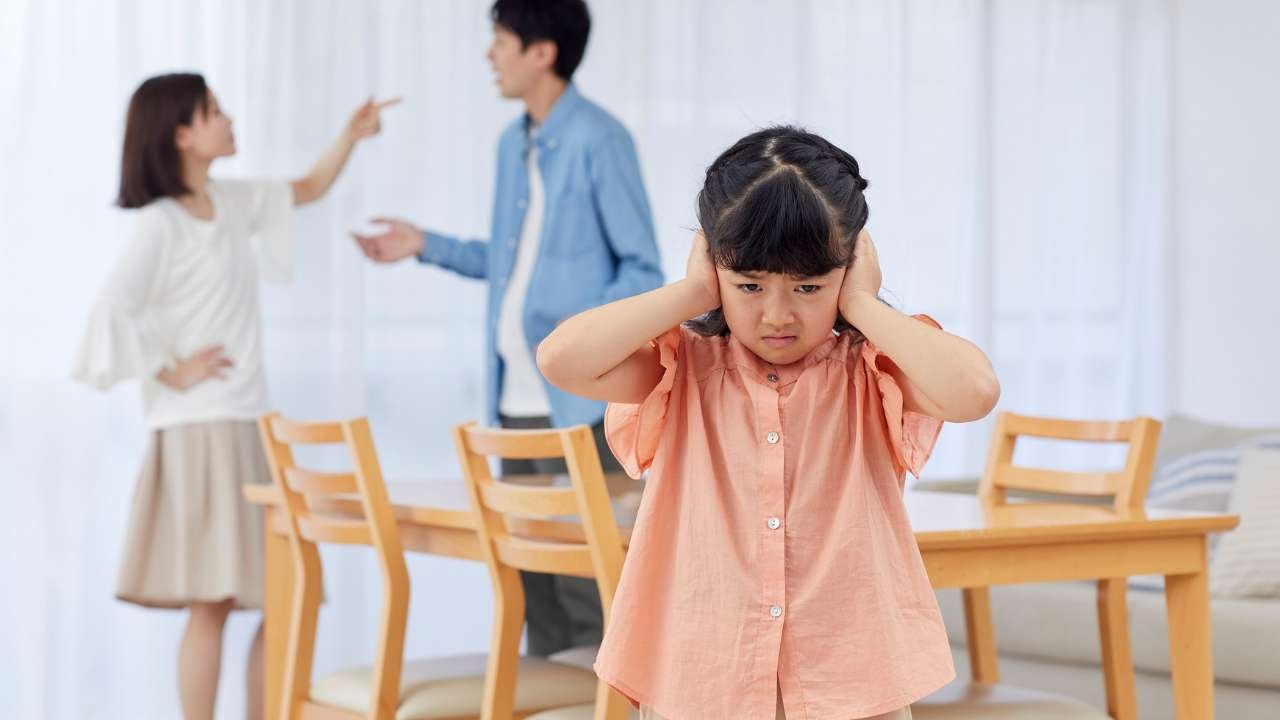
Key Highlights
- Balancing Marriage and Parenting can feel emotionally heavier than most couples expect.
- Many partners do not stop loving each other after children. They simply stop getting enough time, space, and emotional energy to stay connected in the same way.
- Parenting stress can quietly turn a marriage into a task-based partnership instead of an emotionally supportive one.
- The issue is often not a lack of commitment. It is exhaustion, mental load, less couple time, and repeated misunderstandings.
- The remedy is not choosing the child over the marriage or the marriage over parenting. The real remedy is learning how to protect both.
- Honest communication, fairer responsibility-sharing, emotional check-ins, and small rituals of connection can make a real difference.
- If the relationship feels strained, distant, or overly functional, support for marriage strain after children through Sanpreet Singh at sanpreetsingh.com can help couples rebuild steadiness, communication, and emotional closeness.
When the Relationship Feels More Functional Than Close
Many couples are not dealing with one dramatic issue. More often, they are carrying a slow and tiring shift in the relationship. Balancing Marriage and Parenting becomes difficult when daily family life starts taking up so much space that the emotional life of the marriage begins to shrink.
In many marriages, the problem is not that the relationship has lost meaning. The problem is that parenting responsibilities have become so constant that the couple no longer feels like a couple in the same way. Conversations become practical. Affection becomes inconsistent. Patience gets thinner. Emotional presence becomes harder to access. This is often where communication patterns inside marriage begin changing quietly, especially when both partners are tired but still trying to keep the home running.
A marriage can still look stable from the outside while feeling tense on the inside. Couples may continue parenting well, managing responsibilities, and showing up for family life, yet privately feel that the emotional warmth between them has reduced. When that continues for too long, emotional distance inside marriage can begin to feel normal, even though both partners may still care deeply.
Why Balancing Marriage and Parenting Feels So Hard
Parenthood changes the structure of a relationship. Before children, a couple has more freedom to recover after conflict, spend time together, and respond to each other with emotional flexibility. After children, the relationship has to survive inside a completely different environment.
There is less time. Less privacy. Less rest. Less spontaneity. There is also more responsibility, more planning, more emotional labour, and more pressure to keep everything functioning smoothly.
This is why balancing marriage and parenting can feel surprisingly difficult even in loving, committed relationships. A couple may still care deeply for each other and yet feel emotionally worn down by the practical realities of family life.
The shift often happens gradually. At first, it feels temporary. Then the routine settles in. The marriage starts running around the child instead of alongside family life. That is when many partners begin to feel more like co-parents and household managers than husband and wife.
What Balancing Marriage and Parenting Actually Means
Balancing marriage and parenting does not mean giving identical energy to both every single day. Real life does not work that way. It means making sure the marriage does not disappear while the parenting role takes over.
A healthy balance looks like continuing to value the relationship even in a busy family system. It means remembering that being parents is one part of the partnership, not the whole of it.
This includes:
- speaking to each other as partners, not only as co-parents
- making room for emotional connection, not just task coordination
- protecting some form of couple identity
- noticing resentment before it becomes the relationship’s background tone
- making sure care, effort, and responsibility feel respectful and fair
- staying emotionally available enough that the marriage still feels alive
The goal is not perfection. The goal is not letting the relationship become emotionally invisible.
How Parenting Can Quietly Affect the Marriage
Parenting pressure rarely damages a relationship in one big moment. More often, it works through repeated small strains that build over time.
The marriage becomes too practical
Many couples begin talking only about logistics. Meals, school, routines, chores, sleep, family obligations, finances, and schedules take over. Necessary conversations increase, but meaningful conversations decrease.
This creates a relationship that may still be functional, but no longer feels emotionally nourishing.
Fatigue changes communication
Tired people do not always respond like their best selves. Even loving partners can become sharper, more defensive, less patient, and less emotionally generous when they are running low on rest.
This is one reason marriage conversations often become more difficult during the parenting phase. The issue is not always a lack of care. Sometimes it is simply that both people are exhausted and emotionally overstretched.
One or both partners feel unseen
In many marriages, one person begins feeling overburdened while the other begins feeling shut out. Both experiences hurt, and both can exist at the same time.
One partner may think:
- I carry too much and nobody notices.
The other may think:
- I do not know how to reach you anymore.
When these feelings are not spoken clearly, they often turn into irritation, distance, and misunderstanding.
The relationship loses its emotional rhythm
Before children, many couples naturally create time for talking, laughing, relaxing, or being affectionate. After children, that rhythm often breaks.
And once it breaks, the couple may keep telling themselves they will come back to it later. Later keeps moving. Weeks become months. Emotional closeness starts feeling harder to access.
Signs You May Be Struggling With Balancing Marriage and Parenting
This challenge does not always show up as a major crisis. Sometimes it appears in quieter patterns that slowly shape the relationship.
You may notice that:
- most conversations are about responsibilities, not feelings
- affection has reduced without being discussed properly
- both of you are doing a lot, but neither feels fully appreciated
- the marriage feels more functional than warm
- small things trigger bigger reactions than before
- one partner keeps reaching out while the other withdraws
- loneliness exists even though you live and parent together
- the relationship feels tired, tense, or emotionally flat
This is also where the feeling of being more like co-parents than partners begins showing up more clearly. The relationship may still be stable on the outside, but internally it starts feeling less connected.
Why the Marriage Still Needs Protection After Children
Some couples feel guilty even thinking this way. They worry that focusing on the marriage means taking attention away from the child. But a strong marriage is not separate from family wellbeing. It supports it.
When the couple relationship becomes chronically tense, emotionally dry, or resentment-filled, the atmosphere of the home often reflects that strain too. Children do not need perfect parents. But they do benefit from parents who can communicate, repair, support each other, and create emotional steadiness around them.
Protecting the marriage is not selfish. It is responsible.
It means recognising that the family is stronger when the couple bond is not neglected.
What Helps Couples Balance Marriage and Parenting Better
Name the issue honestly
Many couples keep arguing around the issue instead of naming it directly.
Rather than saying:
- You never help
- You only care about the child
- You do not understand me
- We never have time because of you
Try saying:
- I think we are struggling with balancing marriage and parenting
- I miss feeling like we are emotionally together
- We are handling a lot, but I do not want our relationship to disappear inside it
- I think we need to protect the marriage more intentionally
This kind of honesty lowers blame and increases clarity.
When couples do not name the deeper pressure, the same small arguments keep returning in different forms. A conversation about chores may actually be about feeling unsupported. A disagreement about the child’s routine may actually be about feeling unheard. This is why parenting pressure behind repeated arguments can become an important part of understanding the pattern.
Build short rituals of connection
Most parents do not need unrealistic advice. They need practical habits that fit real life.
That can include:
- ten minutes of uninterrupted conversation at the end of the day
- a brief check-in after the child sleeps
- sitting together without screens for a little while
- saying one genuine appreciation out loud
- a short walk, tea break, or quiet pause together
- a hug or touch that feels warm and pressure-free
The point is not grand romance. The point is not losing contact with each other.
Talk about fairness, not just effort
A lot of couples say, “We are both trying.” That may be true. But trying is not the same as feeling supported.
It helps to discuss:
- who carries the mental load
- who gets rest and when
- who handles emotional labour
- whether one person feels more responsible for everything
- whether current arrangements feel fair, not just busy
- where hidden resentment is building
Sometimes the issue is not a lack of love. It is a lack of fairness.
Stop treating the marriage as something that gets leftovers
Many couples treat the relationship like the last thing to be handled once everything else is finished. The problem is that parenting and family life are never fully finished.
If the marriage only gets the leftovers of time, energy, patience, and attention, it eventually starts feeling emotionally underfed.
The marriage does not need all your time. But it does need real space inside your life.
Remember that parenting is not the whole partnership
After children, many couples become excellent at functioning but weaker at connecting. They coordinate the child’s needs, manage home responsibilities, solve daily problems, and still forget to ask each other, “How are you really doing?”
This is where the shift from being only caregivers back into being emotional partners becomes important. The idea is not to reduce the importance of parenting. It is to remember that the couple bond also needs care. For a deeper look at this shift, parents staying emotionally connected as partners fits closely with this concern.
Get support before the strain hardens
Some couples wait until every conversation feels frustrating before they seek help. By then, the emotional tone of the relationship has often become more rigid.
Support earlier in the process can help couples understand the pattern before it becomes deeply entrenched. That is where Sanpreet Singh at sanpreetsingh.com helps couples make sense of parenting-related strain, emotional overload, and repeated marital tension with a more structured and calm approach.
How This Often Connects With Other Relationship Struggles
Balancing Marriage and Parenting often overlaps with a wider set of relationship challenges. It is rarely only about time management. It may also involve emotional disconnection, stress, misunderstanding, resentment, and difficulty maintaining closeness.
This issue often overlaps with marriage support, broader relationship problems, and emotional repair, especially when the pressure of family life starts affecting communication, emotional steadiness, and the sense of partnership within the marriage.
It can also connect with themes such as:
- rebuilding closeness after emotional distance
- understanding how parenthood changes relationships
- recognising emotional distance after becoming parents
- managing couple conflict during parenting stress
These experiences often cluster together because parenting pressure rarely affects only one area of a relationship. It can influence emotional connection, conflict patterns, affection, trust, and the overall atmosphere between partners.
Why Privacy Matters When Couples Seek Help
Many couples hesitate to get support because they think their struggles are too common to deserve attention. But common struggles can still be painful, and private support can make it much easier to speak honestly.
This is where understanding when private relationship support is needed matters. When people feel safe enough to say what they have been holding in, the relationship has a better chance of moving from silent strain to meaningful repair.
Privacy is not a luxury in relationship work. For many couples, it is what makes honesty possible.
Support for Couples Balancing Marriage and Parenting
At sanpreetsingh.com, Sanpreet Singh supports couples who feel caught between family responsibilities and emotional disconnection. The work is not about blaming one partner or making parenting sound like the problem. It is about helping couples understand what changed, where the pressure is sitting, and how the relationship can become steadier again.
This kind of support can be helpful when couples are dealing with:
- repeated tension around parenting responsibilities
- emotional distance after children
- practical-only communication
- resentment around invisible work
- reduced affection or warmth
- difficulty feeling like partners, not just parents
- confusion about how to reconnect without blame
When the relationship still matters but the old way of connecting no longer works, a structured reset for the couple bond can help partners move from repeated strain toward clearer communication, emotional steadiness, and practical repair.
Conclusion
Balancing Marriage and Parenting is not about doing everything perfectly. It is about making sure the marriage remains emotionally present while the family grows around it.
Children change life in beautiful and demanding ways. They also change the emotional demands placed on a relationship. If a marriage is beginning to feel more practical than warm, more tense than connected, or more exhausted than emotionally supported, it is worth paying attention to that early.
A strong family is not built only on parenting effort. It is also built on the health of the relationship at its centre. Through sanpreetsingh.com, Sanpreet Singh helps couples understand these patterns, improve communication, and rebuild a steadier, more connected way of balancing marriage and parenting.
FAQs
Why is balancing marriage and parenting so difficult?
Because parenthood changes time, energy, priorities, and emotional availability. Couples often need a new way of staying connected after children arrive.
Can parenting pressure damage a marriage?
Yes, if the pressure remains unaddressed for too long, it can create emotional distance, resentment, and repeated communication strain.
Is it normal to feel emotionally disconnected after becoming parents?
Yes, many couples go through this, especially when fatigue, mental load, and reduced couple time begin affecting the relationship.
What are the signs that parenting is affecting the marriage?
Common signs include frequent tension, practical-only conversations, reduced affection, feeling unseen, and a marriage that feels more functional than connected.
Can marriage support help with balancing marriage and parenting?
Yes, marriage support can help couples communicate more clearly, reduce blame, and create healthier patterns while managing parenting stress.
How can couples stay connected while raising children?
They often do better when they protect small rituals of connection, share responsibilities more fairly, and make space for honest emotional conversations.
Does focusing on the marriage take away from the child?
No. A healthier marriage often creates a steadier and more supportive emotional environment for the whole family.
What if one partner feels overloaded and the other feels excluded?
That is a common pattern. It usually means the couple needs a clearer conversation about emotional needs, workload, and support.
Can emotional distance in marriage increase after children?
Yes, especially when the relationship becomes too task-focused and emotional connection is not intentionally maintained.
Where can couples seek support for balancing marriage and parenting?
They can seek private and structured support through sanpreetsingh.com, where Sanpreet Singh works with couples facing parenting stress, emotional disconnection, and marital strain.
Private, appointment-only
If you want structured guidance (with privacy and boundaries), you can start with a confidential session.