
How Can You Help Your Kids Get Along and Build Healthier Sibling Relationships?
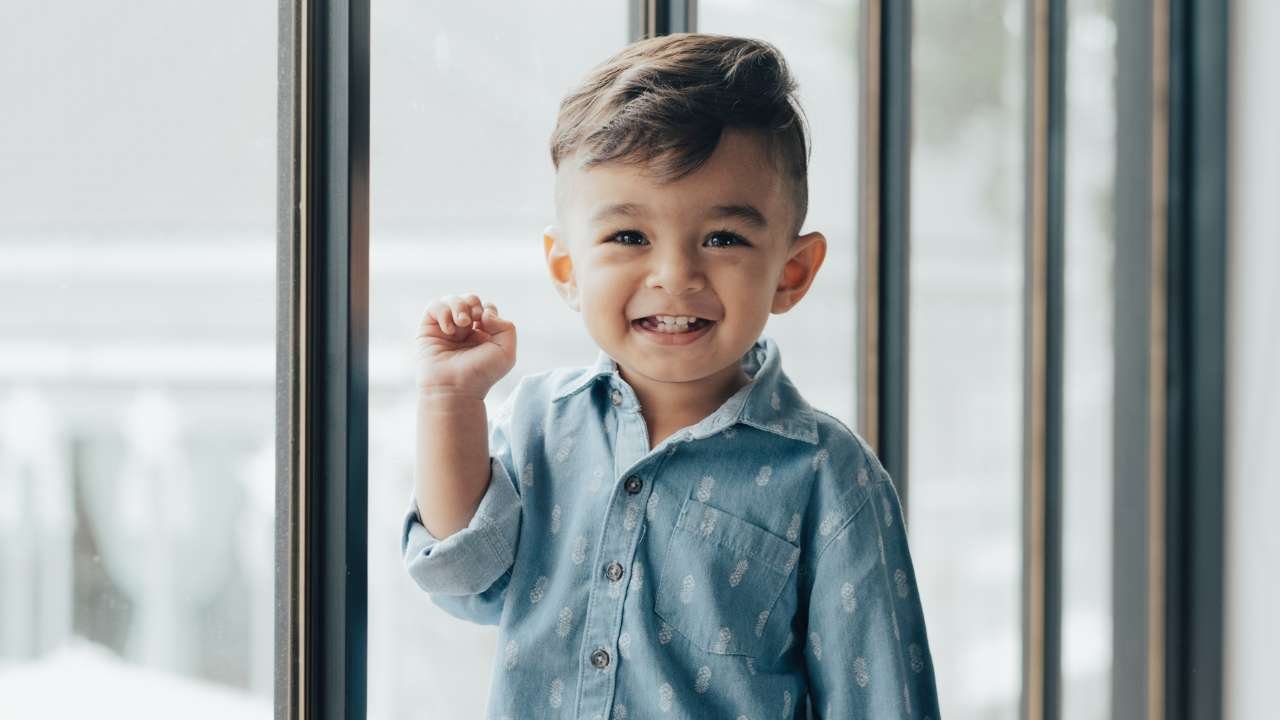
Help Your Kids Get Along is not about forcing your children to become best friends overnight, share every toy like tiny saints, or pose for peaceful family photos while secretly planning round two of the fight. 😄 Sibling conflict is normal. Children argue over attention, space, fairness, toys, screens, parents, snacks, and sometimes literally nothing visible to adults. But when rivalry becomes constant, cruel, fearful, or emotionally exhausting, parents need to step in differently.
Sibling relationships matter because they are often a child’s first emotional classroom. Before children learn how to handle friends, partners, teams, colleagues, and family responsibilities, they learn closeness and conflict at home. A sibling can be a playmate, rival, witness, mirror, protector, competitor, and lifelong emotional reference point — all in one very noisy package.
Sanpreet Singh’s approach to family and relationship support focuses on this core idea: children do not only need rules; they need emotional coaching, fair boundaries, repair, and a home atmosphere where conflict does not become character damage.
Key Highlights
- Sibling fights are normal, but repeated cruelty, fear, humiliation, or emotional withdrawal should not be ignored.
- Parents should not aim to stop every disagreement; they should help children disagree safely.
- Sibling relationships teach children sharing, fairness, jealousy, apology, forgiveness, boundaries, and repair.
- Comparison and favouritism can quietly damage sibling closeness.
- “Say sorry” is not enough; children need to understand feelings, impact, responsibility, and repair.
- One-on-one attention from parents can reduce unnecessary sibling rivalry.
- Healthy sibling relationships are built through emotional language, clear boundaries, shared positive experiences, and fair parenting.
- When family conflict feels repetitive, support for parents trying to understand family patterns can help create more calm and structure at home.
Why Sibling Relationships Matter More Than Parents Realise
Sibling relationships are not small side stories in childhood. They often shape how children understand love, competition, fairness, repair, attention, and belonging.
Family research repeatedly shows that sibling relationships can influence emotional development, social confidence, conflict handling, empathy, and even how children later approach friendships and adult relationships. A child who learns safe conflict at home is more likely to understand that disagreement does not have to mean rejection. A child who learns repair after a fight is more likely to understand accountability without shame.
That does not mean siblings should never fight. Please, even adults fight over AC temperature and who left the spoon in the sink. Kids are still under training. 😅
The goal is not perfect peace. The goal is safe conflict.
Children should be allowed to disagree, feel jealous, want attention, and express frustration. But they also need to learn: no hitting, no humiliation, no emotional cruelty, no comparison, no permanent labels, and no using weakness as a weapon.
Normal Sibling Conflict vs Harmful Rivalry
Not every fight needs parental panic. Some sibling tension is part of growing up. Children learn negotiation, patience, limits, and emotional regulation through small conflicts.
But some patterns need attention.
Normal Sibling Tension | Concerning Sibling Pattern |
Occasional fights over toys, space, or attention | Daily hostility, fear, or emotional intimidation |
Both children recover after some time | One child stays withdrawn, anxious, or distressed |
Arguments are about specific situations | Conflict becomes personal, cruel, or humiliating |
Both children sometimes take responsibility | One child is always blamed, dominated, or silenced |
Parents can guide repair | Repair never happens and resentment grows |
Rivalry comes and goes | The home atmosphere becomes tense and unsafe |
A fight is not always a crisis. But a repeated pattern deserves attention.
Why Kids Fight With Their Siblings
Children fight for many reasons, and most of them are not as simple as “bad behaviour.”
They may fight because they want more attention. They may feel jealous. They may think one sibling gets more freedom, praise, affection, or protection. They may be tired, overstimulated, insecure, bored, or unable to express disappointment properly.
Common reasons include:
- Competition for parental attention
- Jealousy around praise, gifts, marks, or privileges
- Shared rooms, toys, screens, or personal space
- Birth order pressure
- Different temperaments
- One child feeling ignored
- One child feeling burdened with responsibility
- Comparisons by parents or relatives
- Unfair rules or inconsistent discipline
- A younger child copying and an older child feeling irritated
Siblings often fight about small things because the real emotion underneath is bigger: “Do I matter as much?”
That question can create more conflict than any toy ever could.
If parenting stress is also affecting the couple’s bond, how children change the emotional rhythm of a relationship can help parents understand the wider family impact.
Stop Playing Judge Too Quickly
One common mistake parents make is rushing into the fight like a judge.
“Who started it?”
“What happened?”
“Why did you hit him?”
“Say sorry now.”
The problem is that children then learn to build a case, not understand the impact. One becomes the lawyer, one becomes the victim, and the parent becomes the exhausted Supreme Court. Not ideal. ⚖️
Instead of becoming a judge, become a coach.
Ask:
- “What happened from your side?”
- “What were you feeling?”
- “What did you do next?”
- “How did that affect your sibling?”
- “What needs to be repaired now?”
This helps children move from blame to reflection.
Of course, if there is hitting, cruelty, or unsafe behaviour, step in firmly. Safety comes first. But after safety, the goal should be learning, not only punishment.
Teach Children Emotional Language, Not Just Rules
Rules matter. Children need clear limits. But rules without emotional language can become dry instructions.
A child may say, “I hate her,” when they really mean, “I feel left out.”
A child may push because they do not know how to say, “You embarrassed me.”
A child may shout because they feel replaced, ignored, or less important.
Parents can help by naming the emotion:
- “You felt left out when they played without you.”
- “You wanted attention too.”
- “You were angry, but hitting is not okay.”
- “You felt it was unfair, so you shouted.”
- “You can be upset and still speak respectfully.”
This teaches children an important life skill: feelings are allowed, but harmful behaviour needs boundaries.
That one lesson can shape their future relationships deeply.
Stop Comparing Children, Even Casually
Comparison is one of the fastest ways to damage sibling closeness.
Avoid lines like:
- “Why can’t you be like your sister?”
- “Your brother never behaves like this.”
- “She is the smart one.”
- “He is the difficult one.”
- “You are the responsible child.”
These labels may sound casual, but children absorb them like identity tags.
One child becomes “good.”
One becomes “trouble.”
One becomes “sensitive.”
One becomes “lazy.”
One becomes “the favourite.”
And slowly, siblings stop seeing each other clearly. They start seeing each other through family labels.
Fair parenting does not mean treating every child exactly the same. Different children may need different kinds of support. But each child should feel equally valued, respected, and emotionally known.
Healthy family boundaries also include the way adults speak about children. Family conversations with dignity and emotional boundaries matter more than many parents realise.
Build One-on-One Connection With Each Child
Sibling rivalry often reduces when children stop feeling they must compete for the same emotional oxygen.
Each child needs individual attention from parents. Not just instructions. Not just correction. Not just homework supervision. Actual connection.
This does not need to be dramatic. Even small rituals help:
- A bedtime chat
- A short walk
- Reading together
- Making tea or snacks together
- Drawing, games, or music
- A small drive
- Ten minutes of undistracted listening
- Asking about their inner world, not only school performance
When children feel secure in their own connection with parents, they often become less desperate to fight for attention.
A child who feels seen is less likely to turn every sibling moment into a competition.
Teach Repair After a Fight
“Say sorry” is often not enough.
A forced apology can become a performance. The child says sorry, rolls their eyes, and learns nothing. Classic kid behaviour, but still not useful. 😄
A better repair includes four parts:
- What happened?
- What feeling was involved?
- What behaviour crossed the line?
- What can be done now?
For example:
“I grabbed your toy because I was angry. You felt hurt. I will return it and ask next time.”
Or:
“I called you a name. That was mean. I was upset, but I should not have said that.”
Repair can be verbal, practical, or behavioural. A child may apologise, return something, help fix what they damaged, give space, or agree to a better rule for next time.
Repair teaches accountability without making the child feel permanently bad.
Give Siblings Shared Positive Experiences
Siblings should not meet each other only in conflict.
Parents can create small shared experiences where children feel like a team:
- Cooking together
- Building something
- Family games
- Shared chores
- Helping with a pet
- Planning a surprise
- Solving a puzzle
- Making something for grandparents
- Organising a room together
- Helping each other with a small task
The idea is not to force closeness. Forced closeness usually backfires. The idea is to create conditions where warmth can grow.
Children need shared memories that say, “We are not only rivals. We can also be on the same side.”
For many families, the power of everyday connection inside family life becomes more important than one big emotional lecture.
When One Child Feels Like the Favourite
Perceived favouritism can hurt deeply, even when parents do not intend it.
Children notice everything: tone, time, praise, punishment, gifts, patience, softness, freedom, and who gets believed first.
If a child says, “You always take their side,” do not shut it down immediately with, “That is not true.”
Try saying:
“I am sorry it has felt that way. Tell me what made you feel less valued.”
This does not mean the child is always right. But it means their emotional experience is being taken seriously.
Sometimes parents are not favouring one child; they are responding to different needs. But unless that is explained with care, the other child may experience it as rejection.
Children do not only need fairness. They need fairness to be visible.
Set Boundaries Without Taking Sides
Parents should not allow sibling conflict to become emotional damage.
Set clear family rules:
- No hitting.
- No name-calling.
- No mocking appearance, body, marks, friends, fears, or abilities.
- No invading private space.
- No threatening.
- No humiliating a sibling in front of others.
- No using parents as weapons.
- No destroying belongings.
- No silent exclusion as punishment.
Boundaries protect both children.
The aim is not to create fear. The aim is to create dignity. Children should learn that anger is allowed, but cruelty is not.
When Sibling Conflict Needs Outside Support
Some sibling conflict needs more structured attention, especially when parents feel stuck or the pattern keeps repeating.
Support may be needed when:
- One child is scared of the other
- Aggression becomes frequent
- One child is constantly blamed
- A child becomes withdrawn or anxious
- Conflict affects sleep, school, mood, or confidence
- Parents cannot stay neutral
- Comparison or favouritism has damaged trust
- Every small issue turns into a big family fight
- Repair never happens
- The home feels emotionally tense most of the time
In such cases, parents do not need to feel ashamed. Getting support does not mean the family has failed. It means the family is taking the pattern seriously before it becomes deeper.
How Sanpreet Singh Helps Parents Support Sibling Relationships
Sanpreet Singh helps parents look beneath behaviour and understand the emotional pattern inside the family.
The work is not about blaming parents or labelling children. It is about understanding what keeps repeating.
Why does one child always feel ignored?
Why does another child dominate?
Why do parents rush to protect one and correct the other?
Why does every fight become personal?
Why does repair never happen?
Why does one child feel less valued?
When parents understand the pattern, they can respond with more calm, fairness, and structure.
The goal is to stop reacting like referees and start guiding children like emotional coaches.
Siblings Do Not Need Perfect Peace, They Need Safe Repair
Siblings will fight. That is normal.
But they should not learn cruelty as the family language. They should not grow up believing love means comparison, fear, humiliation, or emotional competition.
Parents cannot control every feeling between siblings. But they can shape the atmosphere in which those feelings are handled.
They can reduce comparison.
They can create one-on-one connection.
They can set clear boundaries.
They can teach emotional language.
They can guide repair.
They can make sure each child feels valued.
The goal is not picture-perfect siblings. The goal is emotionally safer siblings.
Because in the end, a healthy sibling relationship is not built by removing every fight. It is built by teaching children how to return to each other with respect after the fight.
And that is a lesson far bigger than childhood. 💛
FAQs
How can I help my kids get along better?
Start by reducing comparison, teaching emotional language, setting clear boundaries, and guiding repair after fights.
Is sibling fighting normal?
Yes, some conflict is normal, but repeated cruelty, fear, or aggression needs attention.
Should parents always intervene in sibling fights?
Not always; intervene when safety, respect, or emotional harm is at risk.
Why do siblings fight so much?
They often fight for attention, fairness, space, power, privacy, or emotional recognition.
How do I stop sibling rivalry?
You may not stop every rivalry, but you can reduce comparison, favouritism, and repeated unhealthy patterns.
Is it wrong to treat children differently?
No, children may need different things, but they should still feel equally valued and respected.
What should I avoid saying during sibling conflict?
Avoid “Who started it?”, “Be like your sibling,” or labels like “the difficult one.”
How do I teach siblings to apologise properly?
Help them name what happened, understand the impact, and choose one repair action.
When is sibling conflict serious?
It is serious when one child feels unsafe, repeatedly humiliated, dominated, or emotionally withdrawn.
Can parent counselling help with sibling conflict?
Yes, parent counselling can help parents understand family patterns and respond with more calm, fairness, and structure.
Private, appointment-only
If you want structured guidance (with privacy and boundaries), you can start with a confidential session.