
What’s the Best ROI for My Relationship? The Small Emotional Investments That Build Long-Term Love
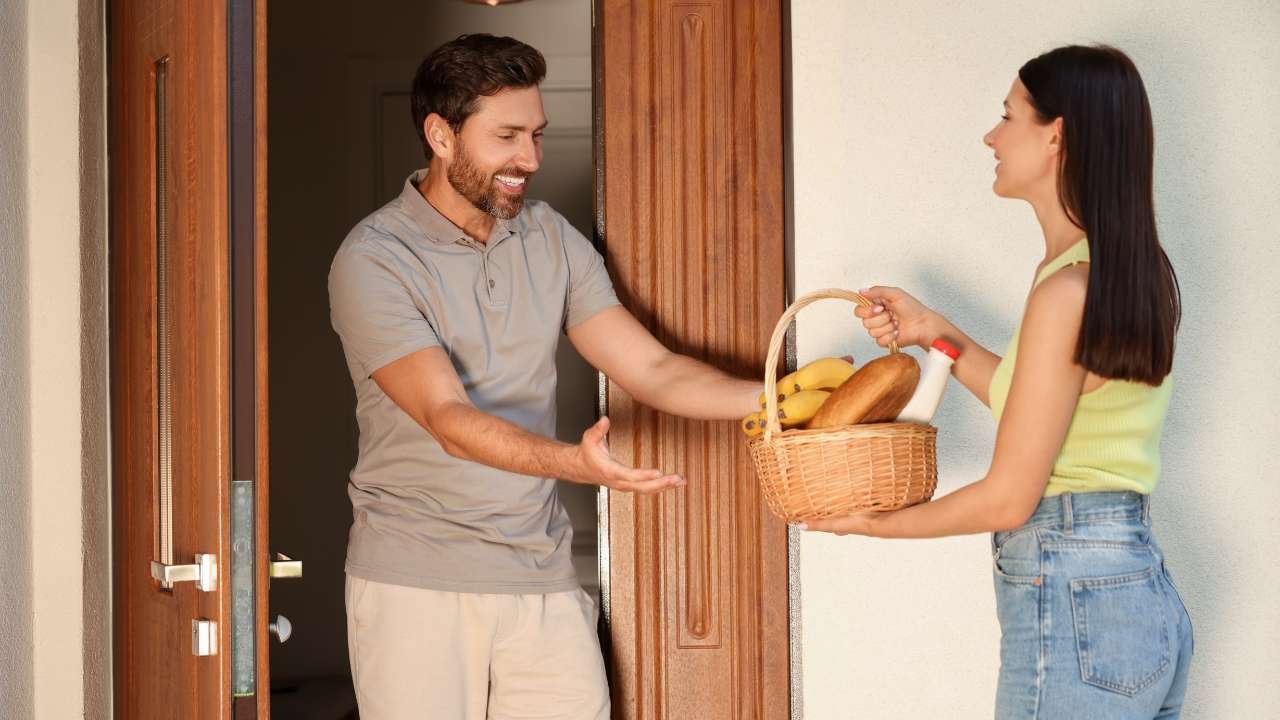
If you have ever wondered what’s the best ROI for my relationship, the answer is rarely one luxury vacation, one dramatic apology, or one grand “we need to talk” moment after months of emotional distance. The highest return in love usually comes from small, repeated emotional investments: attention, appreciation, repair, honesty, affection, patience, and the quiet feeling that your partner still chooses you in ordinary moments. Love is not a one-time deposit. It is a daily account — and some couples are emotionally overdrafted with no alert notification. 😅
Many couples do not fail because love disappears. They struggle because emotional deposits become rare and withdrawals become normal. Sanpreet Singh works with couples who want a private and structured way to understand where the relationship is losing emotional value, especially when love is still present but connection feels underfunded.
Key Highlights ✨
- The best relationship ROI comes from daily emotional presence, not occasional grand gestures.
- Small actions like listening, appreciation, repair, affection, and respect compound over time.
- Many couples lose closeness because they keep making emotional withdrawals without enough deposits.
- High-return relationships are built through emotional safety, shared responsibility, and quick repair after conflict.
- When effort is not creating closeness, couples may need to understand where the relationship is leaking trust, warmth, or connection.
What Relationship ROI Really Means
In money, ROI means return on investment. In relationships, it means the emotional return you get from what you repeatedly put into the bond.
A relationship investment may look very small from the outside. A warm greeting. A sincere “thank you.” Ten minutes of undistracted listening. A quick apology after a tense moment. A gentle check-in before sleep. These are not cinematic gestures. Nobody is playing violins in the background. But they matter because they build emotional predictability.
The return is not perfection. It is safety. It is comfort. It is the feeling that your partner notices you. It is knowing that difficult moments will not automatically become cold wars. It is the confidence that even when life becomes stressful, the relationship will not be treated like an afterthought.
Good relationship ROI means the bond gives back more peace than confusion, more repair than resentment, and more emotional warmth than silent distance.
Why Small Investments Often Beat Big Romantic Gestures
Big gestures can be beautiful. A thoughtful trip, a meaningful gift, a surprise dinner, or a heartfelt message can all matter. But big gestures cannot compensate for daily emotional neglect.
A partner who is ignored all week may not feel deeply loved because of one expensive dinner. A spouse who is dismissed during serious conversations may not feel secure because of one anniversary post. A couple that never repairs conflict may not feel emotionally safe just because they look happy in photos.
The strongest relationships are usually built through repeated responsiveness. People feel closer when they feel seen, heard, appreciated, protected, and emotionally responded to. That is why small daily habits that keep love strong often matter more than occasional dramatic promises.
Love grows through repetition. Not boring repetition, but reassuring repetition — the kind that says, “You can trust how I show up.”
The Highest-ROI Relationship Investments
Listening without preparing your defence
Many couples do not listen; they reload. One partner speaks, and the other silently prepares a counterargument. Listening has high ROI because it makes your partner feel safe enough to be honest again.
A simple line like, “I want to understand this before I respond,” can change the emotional temperature of the whole conversation.
Appreciating ordinary effort
Long-term relationships often suffer because ordinary effort becomes invisible. Bills are paid. Meals are planned. Children are managed. Work pressure is carried. Family expectations are handled. Emotions are held. And nobody says anything because “this is normal.”
But appreciation is emotional oxygen. It tells your partner, “I see what you do.”
Repairing quickly after conflict
Conflict is not the biggest threat. Poor repair is.
Healthy couples still argue, misunderstand each other, and have difficult days. The difference is that they return. They soften. They clarify. They apologise. They do not leave every argument as emotional debris on the floor.
When repeated conversations turn into tension instead of understanding, couples often need help with the communication patterns that make simple talks feel harder than they should.
Showing affection without waiting for a special occasion
A hand on the shoulder. A warm message. A small compliment. A hug that is not rushed. These moments tell the nervous system, “We are okay.”
Affection is not always about passion. Sometimes it is reassurance.
Protecting emotional safety
Emotional safety means your partner can be honest without being mocked, punished, dismissed, or attacked. It does not mean every feeling is automatically correct. It means every feeling can be discussed respectfully.
Couples often need clearer emotional limits around respect, comfort, and consent so difficult conversations do not become emotional injuries.
Relationship Investment vs Emotional Return
Relationship Investment | What It Looks Like | Emotional ROI |
Daily appreciation | Thanking your partner for ordinary effort | More warmth, less resentment |
Undistracted listening | Keeping the phone aside during real conversations | More trust and emotional safety |
Quick repair | Apologising and reconnecting after tension | Less silent buildup |
Small rituals | Tea, walks, check-ins, bedtime talks | Stronger everyday connection |
Honest conversations | Speaking before resentment hardens | More clarity and less guessing |
Gentle affection | Hugs, kind words, small touches | More closeness and reassurance |
Shared responsibility | Carrying emotional and practical load together | More respect and partnership |
The Biggest Relationship Withdrawals Couples Ignore
Every relationship has deposits and withdrawals. The problem begins when withdrawals become normal and deposits become occasional.
Some withdrawals are obvious: criticism, dishonesty, contempt, betrayal, disrespect. But many are quieter.
A partner checks the phone during a serious conversation.
A concern is dismissed as “not a big deal.”
One person apologises but does not change.
Important talks are postponed forever.
Affection becomes rare.
Stress becomes an excuse for coldness.
A partner starts feeling like a function, not a person.
One moment may not break the relationship. But repeated moments create a pattern. Over time, ordinary conversations can start becoming fights because both partners are no longer responding only to the present moment; they are reacting to the emotional history behind it.
As the old saying goes, “The axe forgets, but the tree remembers.” In relationships, the partner who dismisses may move on quickly. The partner who felt dismissed may carry it quietly for a long time.
Why Relationship ROI Drops in Long-Term Couples
Many couples do not stop loving each other. They stop feeding the bond.
Life becomes crowded. Work pressure increases. Children enter the picture. Family expectations grow. Phones steal attention. Exhaustion changes tone. The relationship slowly becomes more functional than emotional.
At first, this can feel normal. After all, life is busy. But over time, two people may start operating like efficient roommates. Bills get paid. Plans get made. Social appearances remain polished. But emotionally, the relationship feels undernourished.
This is common in urban relationships where ambition, responsibility, family systems, and digital overload quietly drain intimacy. Partners may still care deeply, but they stop feeling connected in a living, breathing way.
When closeness has reduced, couples may need to understand how emotional connection can be rebuilt slowly and intentionally instead of assuming love should automatically repair itself.
The Emotional Bank Account: Deposits, Withdrawals, and Overdrafts 🏦
Think of the relationship as an emotional bank account.
Deposits include kindness, respect, affection, honesty, appreciation, patience, repair, and presence.
Withdrawals include sarcasm, contempt, avoidance, broken promises, dismissal, defensiveness, neglect, and emotional unavailability.
Every couple has withdrawals. That is normal. The goal is not to avoid every negative moment. The goal is to keep enough positive deposits so that hard moments do not bankrupt the bond.
When a relationship enters emotional overdraft, even small issues feel big. A tired tone feels like rejection. A delayed reply feels like disrespect. A small disagreement becomes proof that “nothing changes.” This happens because the account is already low.
Trust especially needs steady deposits. When partners feel emotionally unsure, they may benefit from understanding why trust can weaken even when love still exists.
High-ROI Habits Couples Can Start Practising
The two-minute check-in
Ask, “How are you really today?” Then listen without fixing immediately. Tiny habit, big return.
The phone-down conversation
For ten minutes, keep the phone away and speak like the person in front of you is not competing with the entire internet. Revolutionary concept, honestly. 📵
The specific appreciation habit
Say one specific thing you appreciated that day. Not generic. Specific. “Thank you for handling that call” lands better than “thanks.”
The repair-before-distance rule
Do not let every small hurt become a silent wall. If something hurt, return to it calmly before it becomes resentment.
The weekly emotional review
Once a week, ask: “What felt good between us this week?” and “What needs more care?” This keeps the relationship awake.
The shared responsibility check
Talk about emotional, practical, family, and mental load. A relationship feels safer when both partners carry the weight fairly.
These simple habits are powerful because they bring couples back into contact before distance becomes a lifestyle.
When More Effort Is Not Giving Better Returns
Sometimes one partner says, “But I am trying so much.” The real question is: trying in what way?
Buying gifts does not repair emotional neglect.
Doing chores does not replace listening.
Saying sorry does not replace changed behaviour.
Planning dates does not fix unresolved resentment.
Being physically present does not mean being emotionally available.
Effort only has good ROI when it reaches the actual need.
If one partner needs emotional safety, gifts may not help. If one partner needs shared responsibility, compliments may not be enough. If one partner needs trust rebuilt, romance alone cannot do the work.
This is why some couples feel stuck even when both people are “trying.” They may be investing in the wrong place. One gives advice when the other needs empathy. One offers solutions when the other needs accountability. One wants affection while the other needs repair first.
Good love is not just effort. It is accurate effort.
How Sanpreet Singh Helps Couples Improve Relationship ROI
Private relationship support with Sanpreet Singh helps couples understand where their emotional investment is breaking down. The focus is not on blaming one partner or forcing dramatic change overnight. The focus is on seeing the pattern clearly.
For some couples, the main issue is repeated conflict. For others, it is emotional distance, resentment, weak repair, trust strain, intimacy loss, or lack of appreciation. Many couples have more than one concern operating quietly at the same time.
A structured space helps couples slow down the loop. Instead of reacting to the latest fight, they begin understanding what the fight represents. Instead of saying, “You never listen,” they learn what makes listening feel unsafe or impossible. Instead of saying, “We are drifting,” they identify what daily behaviours are feeding that distance.
When the relationship feels stuck in the same cycle, a focused reset for couples who want to rebuild the bond with more clarity can help partners stop guessing and start working on the right areas.
Couples who are unsure about the process can also understand how private relationship conversations are usually structured before they begin.
When Should Couples Seek Support?
Couples should consider support when the relationship still matters, but private attempts are no longer creating real change.
This may be the case when small issues create big reactions, appreciation has reduced, one partner feels emotionally unseen, conflict repairs poorly, or the relationship feels functional but not fulfilling.
Support can also help when both partners are trying, but the effort is not landing. Sometimes couples do not need more love. They need better understanding, clearer communication, safer repair, and a more accurate way to invest in each other.
If the relationship has started feeling emotionally tired, the difference between stress, disconnection, and burnout can help couples recognise whether they are facing a temporary phase or a deeper pattern.
A relationship does not need to be “broken enough” to deserve care. Sometimes the wisest couples seek support before the damage becomes harder to undo.
The Best ROI Is Emotional Presence
The best ROI for your relationship is not one grand romantic investment. It is the compound interest of small, steady emotional presence.
It is listening when you could defend.
Appreciating when you could assume.
Repairing when you could withdraw.
Choosing kindness when stress makes sharpness easy.
Protecting the bond before the bond starts begging for attention.
Love grows when it is invested in regularly. Not perfectly. Not dramatically. Regularly.
Because in the end, the strongest relationships are not built by couples who never struggle. They are built by couples who keep making deposits — even when life gets busy, even when conflict happens, even when comfort tries to become laziness.
That is the real return: a relationship that feels safer, warmer, steadier, and more alive because both people keep choosing to invest.
FAQs
What’s the best ROI for my relationship?
The best ROI comes from daily emotional presence, appreciation, repair, respect, and honest communication.
Do small gestures really improve relationships?
Yes, small consistent gestures often create more lasting closeness than occasional grand romantic efforts.
What habit gives the fastest emotional return?
Listening without defensiveness usually creates quick emotional safety and makes your partner feel valued.
Why do couples stop investing in each other?
Routine, stress, unresolved conflict, and emotional assumptions often make partners take each other for granted.
Can appreciation reduce resentment?
Yes, sincere appreciation can soften resentment when it is paired with real respect and changed behaviour.
What is a relationship withdrawal?
A withdrawal is any behaviour that reduces trust, warmth, respect, safety, or emotional closeness.
How can couples rebuild emotional connection?
They can begin with small check-ins, honest conversations, quick repair, shared responsibility, and regular affection.
What if only one partner is investing?
One-sided effort can become exhausting; long-term repair needs shared responsibility from both partners.
When should couples seek relationship support?
Couples should seek support when the same issues keep repeating and private conversations no longer create repair.
Can relationship support improve emotional ROI?
Yes, structured support can help couples understand weak patterns, rebuild communication, and invest effort where it truly matters.
Private, appointment-only
If you want structured guidance (with privacy and boundaries), you can start with a confidential session.