
Why Relationship Burnout in High-Pressure City Life? When Love Slowly Runs Out of Energy
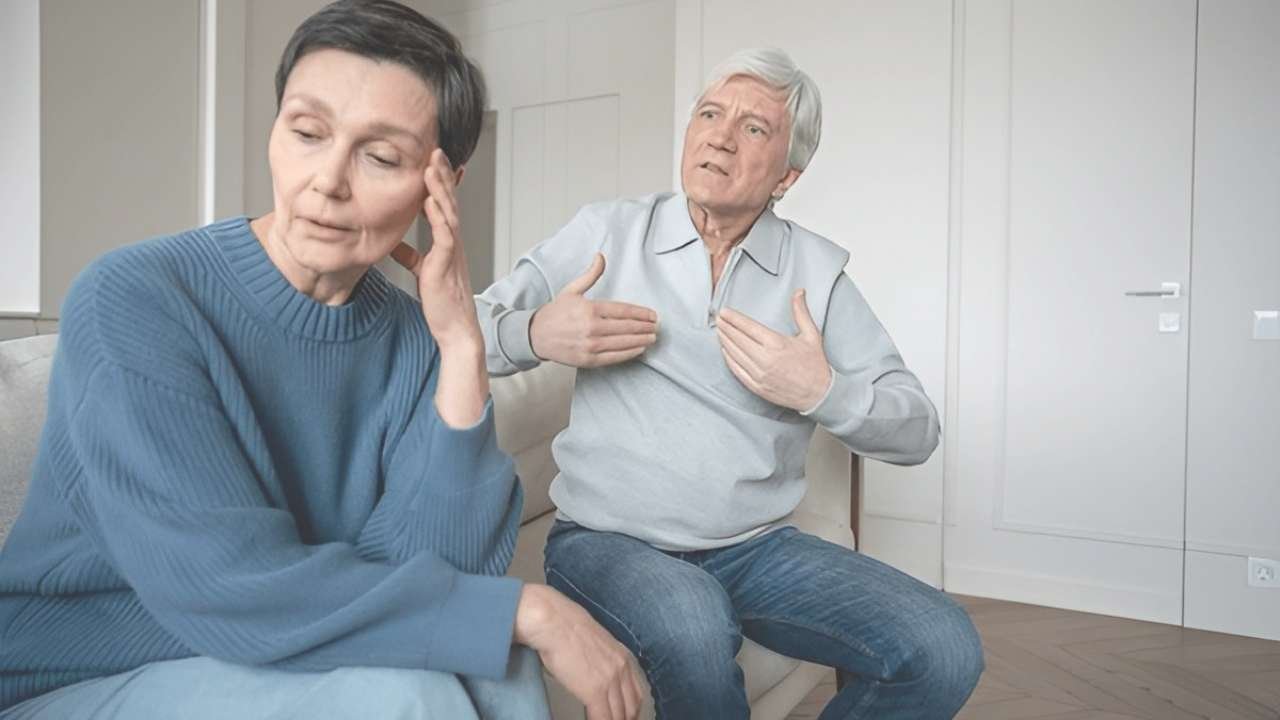
Key Highlights
- Relationship Burnout in High-Pressure City Life is what happens when a relationship does not break, but slowly runs low on emotional energy.
- Urban life can speed it up through time scarcity, cognitive overload, long commutes, digital distraction, constant pressure, and too little recovery.
- Burnout often looks calm on the outside and depleted on the inside.
- The answer is usually not grand romance. It is recovery, reconnection rituals, stress boundaries, better emotional communication, and sometimes structured professional support.
On sanpreetsingh.com, Sanpreet Singh often sees this pattern in couples who still care deeply for each other but feel quietly worn down by modern urban life. What starts as stress and exhaustion can slowly turn into relationship burnout, marriage burnout, growing emotional distance in marriage, and the need for steadier relationship counselling before the relationship feels even more depleted.
The Exhaustion Couples Rarely Name Out Loud
There is a kind of tired that does not show up as a fight.
It shows up as flatness.
You still care. You still function. You still do life together.
But the relationship stops feeling like a place where you recover and starts feeling like another place where you perform.
It is not dramatic. It looks more like this:
- Conversations become shorter because your mind is already full
- Affection becomes habitual instead of heartfelt
- Weekends become errands, obligations, and “we should rest”
- You are together, but it does not feel restorative
Nothing catastrophic happened.
But something is depleted.
That is the signature of Relationship Burnout in High-Pressure City Life: love still exists, but emotional energy is low.
“We’re Fine… Just Always Tired”
This is one of the most dangerous sentences couples repeat to themselves.
Many urban couples describe their relationship with calming phrases:
- “We’re okay.”
- “Nothing’s wrong.”
- “It’s just a busy phase.”
And sometimes it really is just a phase.
But when busy becomes the permanent climate, subtle shifts start appearing:
- Emotional conversations get replaced by logistics
- Irritation rises faster than empathy
- Silence becomes common, not peaceful, just heavy
- Togetherness stops feeling like a recharge
This often overlaps with the life-stage confusion many people feel in relationship confusion in the late 20s and 30s, when careers, identity, responsibilities, and expectations change so quickly that the relationship does not get updated along with the people inside it.
What Relationship Burnout in High-Pressure City Life Is, and What It Is Not
Relationship Burnout in High-Pressure City Life is not a rough week.
It is not one bad argument.
It is a longer pattern of emotional depletion, detachment, and a reduced sense that the relationship is working the way it used to.
It usually looks like this:
- You feel drained after interactions that once felt warm
- You avoid deeper conversations because they feel like too much
- You have less patience available
- You stop doing small connecting behaviours like touch, curiosity, and appreciation
- You become excellent co-managers of life, but poor co-navigators of emotions
What relationship burnout is not:
- It is not proof that you are incompatible
- It is not proof that love is gone
- It is not automatically a sign of betrayal
- It is not the same as depression, though it can overlap
- It is not the same as boredom, though it can look similar from the outside
Why High-Pressure City Life Accelerates Burnout
Cities bring ambition, opportunity, movement, and stimulation.
They also bring chronic demand.
And chronic demand without enough recovery is exactly what drains a relationship.
1. Time Scarcity Stops Feeling Temporary
Urban schedules often come with:
- Long work hours
- Unpredictable deadlines
- Packed calendars
- Long commutes
- Social obligations
- Family responsibilities
When time gets squeezed, couples start living on leftover attention.
You connect only after everything else is done.
But everything else is never fully done.
2. Commute Fatigue Quietly Steals Your Best Self
Commutes do not only take time.
They take energy.
So you come home with:
- Less patience
- Less tolerance
- Less curiosity
- Less softness
You are not becoming a worse partner.
You are trying to love from a depleted nervous system.
3. Cognitive Overload Leaves No Space for Emotional Depth
Urban life keeps too many tabs open in the mind:
- Emails
- Messages
- Bills
- Tasks
- Notifications
- Constant switching
- One more thing after another
When mental bandwidth drops, the mind struggles with:
- Emotional regulation
- Deep listening
- Empathy
- Perspective-taking
So couples still talk, but the conversation stops nourishing the relationship.
Slowly, they begin drifting into the kind of pattern seen in when couples stop talking emotionally, where conversation still exists, but emotional sharing does not. Over time, that also starts looking like communication problems in marriage and broader communication problems in relationship.
4. Stress Does Not Stay Inside One Person
Pressure from outside the relationship changes the emotional tone inside it.
If one person is drowning, the relationship often starts breathing shallowly.
That is why stress at work, financial pressure, social overload, and family demands do not stay neatly contained. They change how people respond, listen, interpret, and react at home.
5. Environmental Stress Keeps the Nervous System Activated
Cities do not only create psychological pressure.
They also create sensory pressure:
- Noise
- Crowding
- Constant stimulation
- Less quiet recovery time
When the nervous system rarely gets to settle, the relationship also feels the effect.
That is not a closeness-friendly environment.
It is an environment that keeps people functioning, but not always feeling.
6. Overwork Culture Becomes a Shared Climate
Burnout is not only about one person’s job.
It becomes the climate of the relationship.
If one partner is constantly overextended, the other feels it too through reduced availability, shorter patience, less presence, and more emotional flatness.
So burnout does not stay individual for long.
It becomes relational.
7. Digital Overload Quietly Interrupts Intimacy
Phones do not always look like the problem.
That is what makes them tricky.
It often sounds harmless:
- “I’m just replying.”
- “I’m just checking one thing.”
- “It’s work.”
But the partner often experiences it differently:
“You’re here, but you’re not with me.”
Over time, that changes the emotional tone of the relationship.
How Relationship Burnout in High-Pressure City Life Shows Up
Burnout rarely announces itself.
It leaks into everyday life through patterns.
1. Emotional Numbness
Not heartbreak.
Not rage.
Just dullness.
You are not thinking, “I want to leave.”
You are thinking, “I do not feel much.”
This is often one of the earliest signs.
The relationship still works, but it stops feeling alive.
2. Shorter Fuse and Smaller Fights Becoming Bigger
When emotional resources are low, tolerance drops.
So tiny things trigger bigger reactions:
- The tone
- The forgotten thing
- The late reply
- The way something was said
This is why couples experiencing burnout often start slipping into small recurring fights in the relationship. Not because they suddenly became petty, but because small triggers become outlets for bigger depletion.
3. Communication Fatigue
In burnout, even healthy communication starts feeling effortful.
- You avoid deep conversations because they feel heavy
- You postpone important talks until they become landmines
- You stick to logistics because it feels easier
This is the stage where couples start emotionally living parallel lives.
4. Silence Starts Feeling Normal
This is where things get dangerous.
When couples are depleted, they may begin using:
- Withdrawal
- Shutdown
- Silence
as their version of conflict management.
But silence does not solve the issue.
It stores it.
That is why burnout often overlaps with silent shutdown patterns in modern marriages. Silence can look calm from the outside, but emotionally it often functions as distance.
5. Intimacy Drift
Burnout reduces:
- Emotional presence
- Playfulness
- Tenderness
- Desire
- Vulnerability
When intimacy declines, couples often misread it as:
- “We are not compatible anymore.”
- “Love is fading.”
- “They do not want me.”
But in burnout, intimacy often declines for a simpler reason:
The nervous system is not relaxed enough for closeness.
That is exactly why stress affecting intimacy in urban relationships matters here. Intimacy is not only chemistry. It is also safety, recovery, and emotional availability. It is also why couples may eventually need more deliberate emotional reconnection in relationship.
Burnout vs “We’re Just Busy”
If it’s this | It usually feels like | The difference-maker is |
Normal stress season | Tired but still emotionally warm | Short-term rest and small check-ins |
Relationship burnout | Numb, detached, low empathy | Recovery and reconnection structure |
Unresolved resentment | Cold politeness and simmering irritation | Repair conversations and accountability |
Depression | Low mood across life, not only the relationship | Mental health support and treatment |
Chronic mismatch | Same conflicts and same values gap | Clarity, decisions, and support |
A useful question to ask is:
“Do we feel emotionally safer after time together, or more drained?”
The Psychology Underneath Relationship Burnout
Burnout is not only behaviour.
It is what happens when internal systems start running low.
Emotional resource depletion
When stress stays high for too long, empathy and patience do not disappear.
They become expensive.
So people begin conserving energy by withdrawing.
Threat sensitivity increases
Under stress, the mind becomes more threat-detecting.
Neutral behaviour gets interpreted more negatively.
Small misunderstandings multiply.
Autopilot replaces presence
When life becomes repetitive and overloaded, partners stop noticing each other as people and start noticing each other mainly as roles:
- Co-parent
- Co-biller
- Co-manager
- Co-driver
- Co-survivor
Love can still survive.
But the emotional system of the relationship starts running on low power.
How Burnout Turns Into Other Relationship Problems
Burnout rarely stays neatly labelled.
It often turns into:
- Emotional distance
- Repetitive small conflicts
- More silence
- Less intimacy
- A vague anxiety that something is wrong
That is why so many couples say:
“We do not fight much. We just do not feel close either.”
Over time, this can start looking more clearly like emotional distance in marriage, unresolved communication problems in marriage, and a quieter need for marriage counselling or relationship counselling.
Reversing Relationship Burnout in High-Pressure City Life
The good news is that depletion is reversible.
The harder truth is that recovery needs structure, not hope alone.
Step 1. Treat It Like a Systems Issue, Not a Character Flaw
Do not frame it as:
- “You have changed.”
- “You do not care.”
- “We are failing.”
Start framing it as:
- “We are overloaded.”
- “We are under-recovering.”
- “We need a better structure.”
That reduces blame and makes repair possible.
Step 2. Build a Transition Ritual After Work
Stress does not stop at the front door just because the workday ended.
Create a short buffer of 15 to 30 minutes.
This could be:
- A shower and quiet
- A short walk
- Tea and music
- Ten minutes of silence together without screens
The goal is simple:
Arrive emotionally, not just physically.
Step 3. Protect Exclusive Couple Time
Treat it like something important, because it is.
Start small:
- 20 minutes
- 3 times a week
- Phones away
- No problem-solving
- Just presence, curiosity, and closeness
That time does not have to be dramatic.
It just has to be protected.
Step 4. Upgrade Communication From Logistics to Emotions
Try this simple three-question check-in:
- “What drained you today?”
- “What did you need that you did not get?”
- “What would help you feel supported this week?”
This helps reverse the same emotional drift that builds when couples stop talking emotionally starts becoming normal. It also supports more consistent couple’s communication therapy work in real life, even before formal help begins.
Step 5. Reduce Digital Interference
This is not anti-phone drama.
It is relationship hygiene.
Start with:
- One phone-free meal a day
- Thirty minutes phone-free before sleep
- No phones during check-in conversations
You are not banning phones.
You are protecting connection.
Step 6. Fix the Fairness Imbalance
Burnout grows faster when the relationship starts feeling one-sided.
If one partner feels they are carrying:
- Planning
- Emotional labour
- Chores
- Family coordination
then resentment builds quickly.
Do a weekly ten-minute audit:
- What felt unfair this week?
- What can we rebalance next week?
Not a fight.
A system upgrade.
Step 7. Repair Conflict Faster
When couples delay repair, tension becomes chronic.
A simple repair script helps:
- “I’m overloaded and I snapped. I’m sorry. Can we reset?”
- “I do not want silence between us. Can we talk for ten minutes?”
This is especially important when silence has already started becoming part of the pattern.
Step 8. Rebuild Intimacy Through Safety and Recovery
If intimacy has dipped, do not make it a performance review.
Start with:
- Affectionate touch without pressure
- Cuddling and conversation
- Easy short dates
- Shared calming activities
Intimacy grows more naturally when the nervous system starts feeling safer again. In many couples, this becomes part of a broader move toward emotional reconnection in relationship program and sometimes even a structured communication problems in relationship program in case of persistent issues.
A 14-Day Burnout Reset Plan
You do not need a dramatic escape.
You need a plan that actually fits real life.
Days 1–3: Stabilise
- Choose one phone-free window daily for 20 to 30 minutes
- Add a post-work decompression buffer
- Sleep earlier on two nights
Days 4–7: Reconnect
- Do three short check-ins
- Have one easy date, even tea and a walk counts
- Send one specific appreciation message daily
Days 8–11: Rebalance
- Do a fairness audit
- Redistribute one recurring task
- Reduce one unnecessary weekly obligation
Days 12–14: Deepen
Have one longer conversation around:
- What has been hardest
- What you miss
- What would help now
Then set two non-negotiable relationship rituals going forward.
The point is to make recovery and connection feel normal again. For some couples, this starts becoming the beginning of a deeper relationship reset.
When Burnout Signals Something Deeper
Sometimes burnout is not only about city pressure.
Sometimes it is also about:
- Unresolved resentment
- Chronic emotional neglect
- Repeated disrespect
- Avoidance of repair
- Persistent withdrawal
If you keep trying rituals and nothing changes, a deeper pattern may be running underneath the exhaustion.
That is when structure matters even more.
When Professional Support Helps
If you are stuck in:
- Chronic numbness
- Repeated shutdown and silence cycles
- Intimacy decline and avoidance
- Constant petty conflict
- Emotional distance lasting for months
then professional support can help create clarity and movement.
Sanpreet Singh works with individuals and couples navigating:
- Relationship Burnout in High-Pressure City Life
- Emotional disconnection
- Communication fatigue
- Intimacy drift
- High-stress urban relationship patterns
Because many relationships are not failing from lack of love.
They are struggling from unmanaged depletion.
On sanpreetsingh.com, support for this may take the form of rebuilding trust in relationship, or couples finding it difficult to be intimate in relationship. A more focused private relationship counselling one on one program, or simply clearer guidance around who should seek relationship counselling and how counselling sessions work can go a long way,
FAQs
What is relationship burnout?
It is a pattern of emotional exhaustion and detachment in which connection starts feeling effortful even when commitment remains.
Can burnout exist without fights?
Yes. Many burnt-out couples look calm on the surface but feel emotionally distant underneath.
Does city life really affect relationships?
Yes. External stress changes emotional availability, patience, energy, and responsiveness inside the relationship.
Why do we fight over tiny things lately?
Because low emotional resources reduce tolerance. Small triggers start carrying larger emotional weight leading to bigger fights.
Is the silent treatment a sign of burnout?
Often, yes. Chronic silence can become a sign that emotional energy is too low for healthy repair.
Can phones actually hurt intimacy?
Yes. Repeated digital distraction can reduce presence, emotional responsiveness, and closeness.
Why does intimacy drop when stress rises?
Because stress keeps the nervous system activated, and intimacy usually needs safety and recovery.
How do we reconnect if we are exhausted?
Small rituals work better than grand gestures. Decompression buffers, short check-ins, phone-free time, and fairer load-sharing help more than dramatic promises.
What if only one partner feels burnt out?
Burnout still affects the relationship climate. Start with system changes around time, tasks, recovery, and communication.
When should we seek help?
When numbness, distance, silence cycles, or resentment become chronic and your own fixes stop working.
Closing: Love Does Not Always Break. Sometimes It Burns Out.
Not all struggling couples are incompatible.
Not all distant partners stopped caring.
Many urban relationships are simply emotionally overextended.
Burnout is not a verdict.
It is a signal.
And signals are useful, because they tell you what needs changing:
- More recovery
- More protected connection
- Less digital interference
- Better emotional communication
- Faster repair
Love is a living system.
And in a city that constantly drains emotional reserves, one of the most meaningful things a couple can do is build a relationship that can breathe again. Sometimes that begins with better routines at home. Sometimes it needs direct and stronger intimacy program to resolve the underlying issues, or a practical relationship clarity before the depletion settles into something harder to reverse.
Private, appointment-only
If you want structured guidance (with privacy and boundaries), you can start with a confidential session.